- The Insign Signal
- Posts
- How to structure your paid strategy for multi location brands?
How to structure your paid strategy for multi location brands?
Edition #20 - Strategic insights for marketing leaders
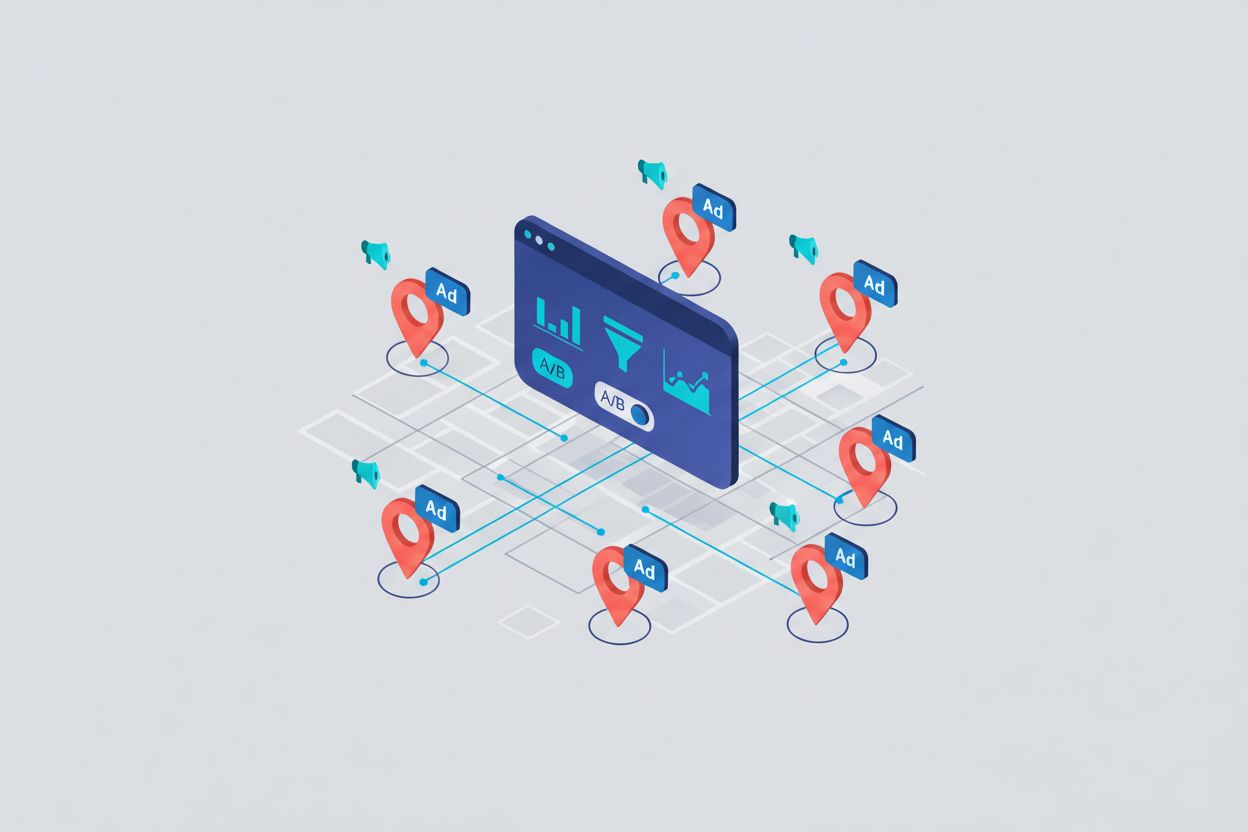
How to structure your paid strategy for multi location brands?
Too many brands continue pouring money into generic campaigns that speak to everyone and resonate with no one. Today, brands must capture 2026 customers through zip-code precision.
The Great Location Disconnect
Too many multi-location brands still approach consumers as a monolithic audience. This fundamentally misunderstands today’s market reality. The shift toward hyperlocal marketing isn’t merely a trend but it’s a complete reinvention of how multi-location brands must operate to win in markets where consumer behaviors, competitive landscapes, and cultural nuances vary dramatically by region.
The centralized control model is failing when it comes to scaling performance across diverse local markets. Brands that cling to one-size-fits-all messaging and national-level decisioning leave efficiency and growth on the table especially in environments where local intent signals and on-the-ground competition shift block by block.
Three Critical Shifts Reshaping Performance in 2026
Are you allocating budgets based on national averages rather than location-specific data?
The research shows that variations in demographics, competition, and demand signals reveal opportunities consistently overlooked by national averages. This approach strengthens performance by aligning paid media with local intent, reducing waste and enhancing ROI particularly crucial in fragmented markets where preferences can vary dramatically by region.
Have you balanced your mid-funnel paid strategy across locations?
Consideration-phase targeting on platforms like YouTube, TikTok, and Instagram has emerged as the sweet spot for growth in 2025. The data reveals that campaigns highlighting grand openings, seasonal offers, and community ties paired with retargeting keep brands top-of-mind without relying solely on awareness. For multi-location operations, this tactic scales local relevance while driving measurable foot traffic and loyalty. Many teams still overinvest in broad awareness while neglecting these critical mid-funnel touchpoints.
Are your location-specific landing pages optimized for both search and conversion?
The research shows brands creating SEO-optimized pages for each site featuring hours, local offers, and reviews are significantly outperforming competitors. This balanced approach of centralized strategy with decentralized execution boosts search visibility and conversion rates. Without proper systems, brands face inconsistent messaging, wasted budgets, and missed local opportunities. The most successful operators are those implementing platforms that enable this balance, delivering scalable growth and measurable ROI across diverse regions.
Rethink Your Approach
Is your growth strategy built on outdated mass-market thinking instead of hyperlocal precision? How would your performance metrics change if you reallocated 20% of your broad awareness budget toward location-specific mid-funnel campaigns? What systems do you have in place to ensure your brand maintains consistency while enabling location-specific relevance across diverse markets?
Ready to Transform Your Marketing Strategy?
Let's discuss how Insign can help you achieve breakthrough performance and unlock your brand's full potential.